


Өзгермелі әлемдегі психология
2026 жылғы 16 сәуірде Алматы қаласында Қазақстанның және әлемнің әртүрлі елдерінен келген спикерлер психология саласындағы өзекті тақырыптарды, теорияларды және болашақ даму бағыттарын талқылау үшін бас қосады. Қазақстанда психология қарқынды дамып келе жатқан сала болып табылады және көптеген әлеуметтік әрі кәсіби мәселелерді шешуге зор әлеуетке ие. Сонымен қатар, психология – үнемі дамып, өзгеріп отыратын ғылым саласы.
Аталған конференция академиялық және терапевтік психологиядағы соңғы жетістіктермен танысуға, сондай-ақ Қазақстан үшін өзекті болып табылатын кәсіби практика мәселелерін, соның ішінде тіркеу және кәсіби стандарттар мәселелерін талқылауға мүмкіндік береді.
Психология саласындағы зерттеулер мен өзекті тақырыптар бойынша баяндамалар жергілікті және халықаралық қатысушылардан қабылданады.
«Конференция туралы» бөлімі
Өтетін орны: КИМЭП Университеті, Абая даңғылы 2, Алматы 050010
Күні мен уақыты: Бейсенбі, 2026 жылғы 16 сәуір, 09:00 – 17:00
Тілі: Конференцияның ресми тілі — ағылшын тілі. Барлық баяндамалар ағылшын тілінде ұсынылады.
Форматы: Конференция толықтай оффлайн (қатысу орнына келу арқылы) форматта өткізіледі. Онлайн қатысу немесе қашықтан баяндама жасау мүмкіндігі қарастырылмаған.
Тезистерді ұсыну
Тезистер Oxford Abstracts платформасы арқылы қабылданады:
https://app.oxfordabstracts.com/stages/81799/submitter
Маңызды күндер:
Тезистерді қабылдаудың соңғы мерзімі: 2026 жылғы 22 наурыз
Қабылдау туралы хабарлама: 2026 жылғы 27 наурызға дейін
Қорытынды тіркелу мерзімі: 2026 жылғы 12 сәуірге дейін
Тіркелу келесі сілтеме арқылы жүзеге асырылады:
https://forms.gle/Uf2Z9RNNnTLiJQ4S9
Тіркеу жарнасы: 25 000 теңге
Тіркеу жарнасы KIMEP университетінің психология студенттері және баяндамашылар үшін алынбайды (әрбір презентацияға тек бір ғана төлемнен босату қарастырылған).
Тіркеу формасын толтырғаннан кейін қатысушыларға растау хаты және төлем жасау тәртібі туралы толық ақпарат жіберіледі.
Ұйымдастыру комитетінің ресми растауы мен төлем нұсқаулығын алмайынша, төлем жасамауыңызды сұраймыз.
Қосымша ақпарат алу үшін: nurbeine.k@kimep.kz
Қонақ спикерлер
Пленарлық баяндамашы
Д-р Ахмед Мустафа
Bond University, Австралия
«Тәуелділікке ұшырағандар қазіргі уақыттың тұзағында: когнитивтік зерттеулер»
Д-р Ахмед Мустафа — Bond University Психология мектебінің психология және есептік модельдеу профессоры. Оның зерттеулері тәуелділік, шизофрения, Паркинсон ауруы, ПТСР, депрессия және Альцгеймер ауруының есептік және нейропсихологиялық аспектілеріне арналған.
Ол 240-тан астам ғылыми мақаланың авторы және халықаралық беделді журналдарда жарияланған. Индексі h = 65, дәйексөздер саны 18 000-нан асады (Google Scholar).
Формат: офлайн баяндама (ағылшын тілінде)
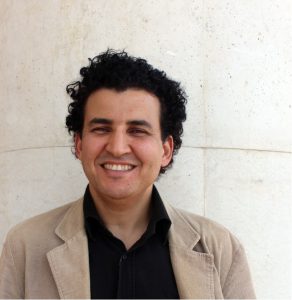
Шақырылған спикер
Д-р Цзинтао Чжу
Universitat Autònoma de Barcelona және ClicAsia Centre d’Estudis Orientals
«Синтаксис пен мағынаны қалай меңгереміз: бірінші және екінші тіл меңгеру зерттеулерінен алынған тұжырымдар»
Д-р Чжу когнитивтік ғылым және тіл саласы бойынша PhD дәрежесін алған және UAB университетінде лингвистикадан дәріс оқиды. Ол ClicAsia орталығының негізін қалаушы әрі атқарушы директоры.
Формат: офлайн баяндама (ағылшын тілінде)

Шақырылған спикер
Д-р Лииа Мерзон
Varjo Technologies және Aalto University, Финляндия
«Назар тапшылығы және гиперактивтілік синдромы және оны өлшеу әдістері»
Д-р Мерзон Aalto University-де нейроғылым және биомедициналық инженерия саласында PhD дәрежесін қорғаған. Оның зерттеулері адам назары, көз қозғалысы және ADHD мәселелеріне бағытталған.
Формат: онлайн баяндама (ағылшын тілінде)

Онлайн шақырылған спикер
Andrew Ryder, Centre for Clinical Research in Health және Психология департаменті, Concordia University. Сонымен қатар, Culture and Mental Health Research Unit бөлімінің аффилиирленген зерттеушісі, Jewish General Hospital, Монреаль (Квебек), Канада.
Мәдени-клиникалық психология: жаһандық мәселеге жергілікті шешімдерді үйлестіру
Профессор Эндрю Райдер клиникалық психология бойынша PhD дәрежесін University of British Columbia университетінде алған. Оның оқу бағдарламасы мен практикалық дайындығы клиникалық психологияға бағытталғанымен, ғылыми-зерттеу даярлығының басым бөлігі мәдени психология саласында өтті. Соңғы жиырма бес жыл бойы ол осы екі саланы жақындатуға күш салып келеді. Осы мақсатта ол араб, қытай, жапон, корей және орыс популяцияларындағы эмоционалдық күйзеліс пен психопатология бойынша мигранттар арасында және халықаралық салыстырмалы зерттеулер жүргізген.
Осы еңбектері үшін ол Concordia University, Canadian Psychological Association және International Association for Cross-Cultural Psychology ұйымдарының марапаттарына ие болды. Сонымен қатар, профессор Райдер Квебек провинциясында лицензияланған клиникалық психолог болып табылады.
(Онлайн баяндама ағылшын тілінде өтеді)

Шақырылған спикер
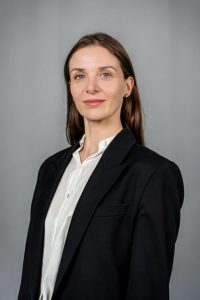
Д-р Алина Гуторева
Kazakh–British Technical University, Қазақстан
«Оқшауланудың психологиялық әсерлері: Қазақстанның SANA ғарыш бағдарламасына дайындық»
Д-р Гуторева Қазақстанның Аэроғарыш комитетімен бірлесіп, ғарыш миссияларына арналған нейротехнологияларды дамыту бағытында жұмыс істейді. Оның зерттеулері адам мен жасанды интеллект өзара әрекеттесуіне арналған.
Формат: офлайн баяндама (ағылшын тілінде)
Конференция бағдарламасы
| Hall 1 Valikhanov Building | Hall 2 Valikhanov Building | |
| Time | KIMEP University, Department of Psychology, Undergraduate Student Presentations | |
| 9:00-9:15 | Conference Opening: Graham Pluck, KIMEP University | |
| 9:15-10:00 | Invited Speaker:
Alina Gutoreava, Kazakh-British Technical University, Kazakhstan “Psychological Effects of Isolation: Preparing for the Kazakh SANA Space Program” |
|
| 10:00-10:45 | Invited Speaker: Aelita Sadykova, Kamkor Zhurek (Caring Heart) Public Fund (NGO), Taraz, Kazakhstan
“Putting together a puzzle: Practicing psychotherapy in Kazakhstan versus in the United States” |
|
| 11:00-11:30 | Coffee Break | |
| 11:30-12:15 | Submitted studies:
Maksat Kenzhetay, KIMEP University, Kazakhstan “From Functionality to Experience: Emotional Design, Gamification, and the Psychology of Learning in a Changing World” Svetlana Abdykaimova, Ala-Too International University, Kyrgyzstan “Using a Neuropsychological Approach to Activating Students’ Cognitive Activity” |
KIMEP University, Department of Psychology, Undergraduate Student Presentations |
| 12:15-13:00 | Invited Online Speaker:
Liia Merzon, Varjo Technologies and Aalto University, Finland “Attention Deficit Hyperactivity Disorder and How to Measure It” |
|
| 13:00-14:00 | Lunch | |
| 14:00-14:45 | Roundtable Discussion
Tomas Jurcik, Aelita Sadykova, Sholpan Primbetova, et al. “Is Registration of Psychologists Needed in Kazakhstan?” |
Invited Speaker:
Jingtao Zhu, Universitat Autònoma de Barcelona & ClicAsia, Centre d´Estudis Orientals, Spain “How we Learn Syntax and Meaning: Insights from First and Second Language Acquisition” |
| 14:45-15:30 | Special Guest Speaker:
Ahmed Moustafa, Bond University, Australia “Addicts are Trapped in the Present: Cognitive Studies” |
|
| 15:30-16:00 | Submitted study:
Santiago De Lasala Porta et al., KIMEP University, Kazakhstan “The Impact of AI on Student Character: An Aristotelian Virtue Ethics Perspective” |
Submitted study:
Eldar Madumarov, KIMEP University, Kazakhstan “Transactional Altruism: A Formal Model of Social Media, Visibility, and the Crowding Out of Intrinsic Motivation” |
| 16:00-16:15 | Short Break | |
| 16:15-17:00 | Invited Online Speaker:
Andrew Ryder, Concordia University, Canada. “Cultural-Clinical Psychology: Coordinating Local Solutions to a Global Problem” |
Hena Fatima & Tinatin Zhakshylykova, Ala-Too International University, Kyrgyzstan
“A Comparative Study of Personal Identity, Self-Efficacy, Values, and Personality Traits Among Adolescents from Minority and Majority Communities” Aruzhan Audanbekova & Sham Haidar, KIMEP University, Kazakhstan “Sustaining Extreme Work: Motivation, Well-being, and Rapid Professional Development in a High-Growth Startup in Kazakhstan” |
| 17:00-17:15 | Conference closure and photos |